

Fun facts
Fun facts for kindergarteners, at three levels
Thirty true, surprising facts about animals, space, dinosaurs, your body and the Earth. Each one is written three ways, for ages 3–4, 5–6 and 7–8. Pick your child’s level, read one a day, and ask “What do you think?”
 3 reading levels
Updated November 2026 · For ages 3–8 · By the Cleoland team

Read it at their level
Fun facts for kids, written three ways
Pick a level and every fact changes. It’s the same idea Cleo uses in lessons: one topic, explained at your child’s level.
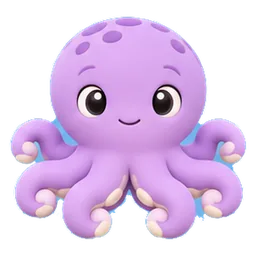 Animals
An octopus has three hearts, and its blood is blue.
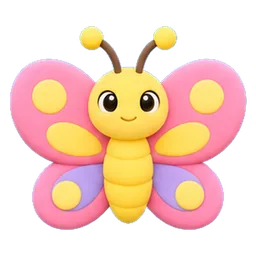
Butterflies taste with their feet. They stand on a leaf to find out if it’s good to eat.
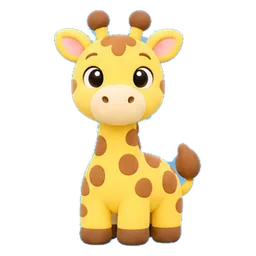
A giraffe’s long neck has seven bones, the same number as yours. Each one is just much longer.
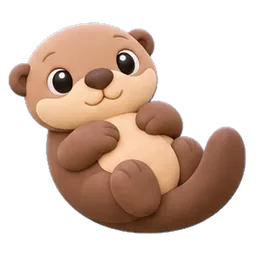
Sea otters sleep floating on their backs, and sometimes hold paws so they don’t drift apart.
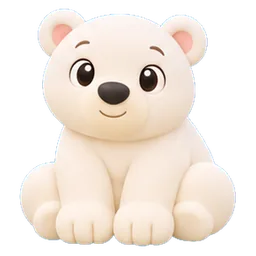
A polar bear’s skin is black. Its fur is see-through, but it looks white in the light.
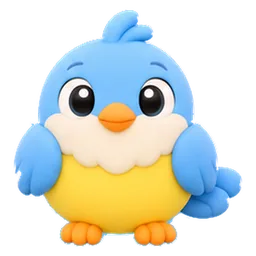
Hummingbirds are the only birds that can fly backwards.
 Space
The Sun is a star. It looks bigger than the others because it’s the closest one to us.
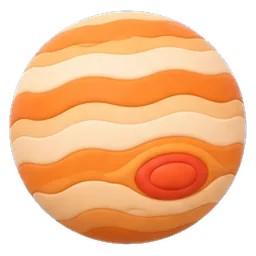
Jupiter is so big that all the other planets could fit inside it.
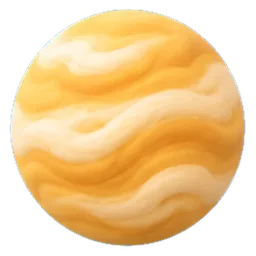
Venus is the hottest planet, even hotter than Mercury, which is closer to the Sun.
Astronauts’ footprints are still on the Moon, because there’s no wind to blow them away.
Saturn’s rings are made of ice and rock. Some pieces are tiny, and some are as big as a house.
 Dinosaurs
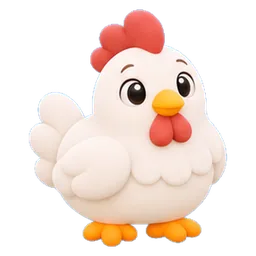
Birds are living dinosaurs! A chicken is a distant cousin of T. rex.
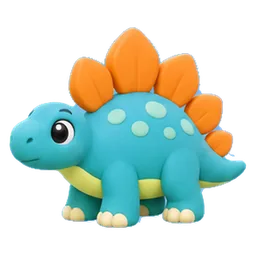
Not all dinosaurs lived at the same time. Stegosaurus was gone long before T. rex was born.
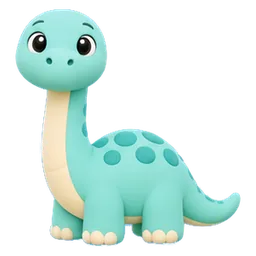
The biggest dinosaurs had long necks and ate only plants.
Dinosaurs lived on every continent, even Antarctica.
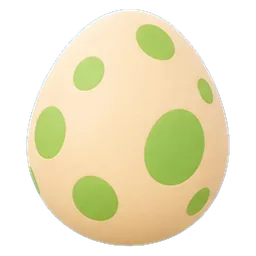
All dinosaurs hatched from eggs, like birds do today.
 Your body
Babies have about 300 bones. Some join together as they grow, so grown-ups have 206.

Your heart is about the size of your fist, and it never takes a break.

Your fingerprints are yours alone. Nobody else has the same ones.
You blink about 15 times every minute without even thinking about it.

Your tongue has thousands of tiny taste buds.
 Earth and weather

Lightning is hotter than the outside of the Sun.

A rainbow happens when sunlight shines through raindrops and splits into colors.
Every snowflake has six sides, or six arms.
Most of Earth is covered by water.
There are volcanoes under the ocean. Some grow so tall they become islands.
 Food and plants
To a plant scientist, a banana is a berry, but a strawberry isn’t.
Honey can last for years and years without going bad.
Long ago, most carrots were purple or yellow. Orange carrots came later.
Young sunflowers turn to face the Sun as it moves across the sky.
For parents
How to use fun facts at home
- 1
One fact a day
Read one fact at breakfast or in the car. One is enough to start a conversation.
- 2
Ask “What do you think?”
Before reading the fact, ask a question: “How many hearts do you think an octopus has?”
- 3
Go up a level
When your child knows the short version, read them the next level up.
- 4
Let them teach it back
Children remember best what they explain. Ask them to tell the fact to someone else.

 Try it with Cleo
Ask Cleo anything. She explains it at their level.
“Why is the sea salty?” “How big was a T. rex?” Cleo answers with pictures, and can turn the topic into a story or a song.

Questions about fun facts
What are some fun facts for kindergarteners?+
Kindergarteners love facts that surprise them: an octopus has three hearts, butterflies taste with their feet, birds are living dinosaurs, and lightning is hotter than the surface of the Sun. Short, true and a little bit weird works best.
Are these facts true?+
Yes. Each one was checked against science sources such as NASA, the Natural History Museum in London and NOAA. Where scientists give a range, we used the safe end of it.
How do I make facts stick for a 5-year-old?+
Ask a guessing question first, keep it to one fact, and let them teach it back to someone. Linking a fact to something they already love helps too.
What are good science topics for kindergarten?+
Animals and where they live, weather and seasons, space, plants, and the human body. Children this age learn best when they can see, touch or ask about the thing.
Keep reading
 Ages 2–8+
Thinking
Logic games for preschoolers: brain teasers, puzzles and memory games
Brain teasers with answers, memory games to play anywhere, and puzzles that grow with your child.
 Ages 5–6
Games
Games for kindergarteners: learning games to play at home
No-prep games for letters, numbers, thinking and listening, plus what kindergarteners are learning this year.
 Ages 3–6
Reading
How to teach a preschooler to read, step by step
Start with sounds, then letters, then blending. What to do at each step from 3 to 6, in ten playful minutes a day.