

Age 2
Activities for 2-year-olds: games for toddlers, screen time and first apps
At 2, most children run, kick a ball, say two words together and point to things in a book when you ask. The best activities for 2-year-olds use exactly that: naming, pouring, stacking, kicking and pretending, a few minutes at a time. Here are 24 that need almost no prep, what the WHO and AAP say about screens at 2, and how to choose a first app.
Updated November 2026 · For ages 2 · By the Cleoland team

From the CDC
What most 2-year-olds can do
These are quoted from the CDC’s “Milestones by 2 Years.” Milestones are things most children (75% or more) can do by this age; every child develops at their own pace.

Talking
- “Points to things in a book when you ask, like ‘Where is the bear?’”
- “Says at least two words together, like ‘More milk.’”
- “Points to at least two body parts when you ask him to show you”
- “Uses more gestures than just waving and pointing, like blowing a kiss or nodding yes”

Thinking
- “Holds something in one hand while using the other hand; for example, holding a container and taking the lid off”
- “Tries to use switches, knobs, or buttons on a toy”
- “Plays with more than one toy at the same time, like putting toy food on a toy plate”
Feelings and other people
- “Notices when others are hurt or upset, like pausing or looking sad when someone is crying”
- “Looks at your face to see how to react in a new situation”
Moving
- “Kicks a ball”
- “Runs”
- “Walks (not climbs) up a few stairs with or without help”
- “Eats with a spoon”
If your child isn’t meeting one or more of these, or you have other concerns, the CDC recommends talking with your child’s doctor and asking about developmental screening.
Milestones into games
Turn each milestone into a game
The easiest way to support what your 2-year-old is learning is to play with it.
| What they’re learning | Game | How to play |
|---|---|---|
| Points to things in a book when you ask | Where’s the bear? | Open a picture book and ask “Where’s the dog?” Wait for the point, then add one thing: “Yes! A brown dog.” |
| Says at least two words together | One more word | Say back what your child says with one word added: “Truck.” “Big truck!” |
| Points to at least two body parts | Sticker spots | Put a sticker on your knee. They find it, you name the spot, and they stick one on their own knee. |
| Holds something in one hand while using the other | Lids off | Hide a toy in each of three tubs with lids. One hand holds the tub, the other opens it. |
| Plays with more than one toy at the same time | Teddy’s lunch | A plate, a spoon and a cup: teddy is hungry, and your child serves. |
| Notices when others are hurt or upset | Teddy’s bump | Teddy falls over. “Ouch! Teddy’s sad.” What would help: a hug, a bandage? |
| Kicks a ball | Kick to the wall | Roll a soft ball slowly toward your child to kick at a wall or between two cushions. |
Activities for 2-year-olds
Activities for 2-year-olds that build first words

Where’s the bear?
Pointing and naming
Open a picture book and ask “Where’s the dog?” Wait while they point, then add one thing: “Yes! A brown dog.”
Make it harder: ask “What’s the dog doing?”
Ages 2

One more word
Two-word phrases
Say back what your child says with one word added. “Truck.” “Big truck!” “More milk.” “More cold milk.”
Make it harder: add two words and see if they copy one.
Ages 2
Sticker spots
Body parts
Put a sticker on your knee. “Where’s my sticker?” They find it, you name the spot, then they stick one on their own knee.
Make it harder: try elbow, chin, ankle and shoulder.
Ages 2

Sing and stop
Words in songs
Sing a song they know and stop before the last word of a line: “Twinkle, twinkle, little…” Wait. Any sound they offer counts.
Make it harder: leave out a word in the middle of a line.
Ages 2
Sound stop
Listening
On a walk, stop and say “Listen!” A dog, a truck, a bird. Name what you hear and copy the sound together.
Make it harder: ask “What was that?” before you name it.
Ages 2
Whose sock?
Names and “mine”
Hold up each thing from the clean laundry: “Whose sock?” “Daddy’s sock!” They carry it to the right pile.
Make it harder: ask for one by color: “Find the blue one.”
Ages 2
Activities for 2-year-olds
Activities for little hands
Lids off
Two hands together
Hide a toy in each of three tubs or jars with lids that pull or twist off. One hand holds, the other opens.
Make it harder: they put the toys back and close the lids.
Ages 2
Pour and scoop
Hand control
In the bath or at the sink, hand over two cups and a big spoon to pour, scoop, fill and tip. Stay within arm’s reach around water.
Make it harder: pour into a narrow cup without spilling.
Ages 2
Knock-down tower
Stacking
Stack blocks or empty tubs as high as you can, counting each one as it goes on. Then they knock it down.
Make it harder: build it taller than teddy.
Ages 2

Posting box
Problem solving
Cut a slot in a shoebox lid. They post jar lids or old playing cards through it, then open the box to find them all.
Make it harder: cut a second, narrower slot that only the cards fit.
Ages 2
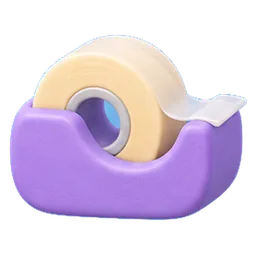
Tape rescue
Finger strength
Stick a few plastic animals to a tray with strips of painter’s tape. Your child peels the tape to rescue each one.
Make it harder: use longer strips, pressed down flat.
Ages 2

Round and round
First marks
Tape a big sheet of paper to the floor and share one chunky crayon. Make dots, lines and round-and-rounds, and name each mark as you make it.
Make it harder: draw a road for them to drive the crayon along.
Ages 2
Activities for 2-year-olds
Games for toddlers that get them moving

Kick to the wall
Kicking
Roll a soft ball slowly toward your child to kick at a wall or between two cushions. Cheer every kick, hit or miss.
Make it harder: they run up to a still ball and kick it.
Ages 2
Follow the leader
Copying moves
March around the house with your toddler behind you: arms up, tiptoes, big stomps. Then they lead and you copy.
Make it harder: add a sound to each move.
Ages 2

Pillow road
Balance
Lay cushions in a line on the floor and walk along them holding hands. Jump off the last one together.
Make it harder: let go of one hand.
Ages 2

Bubble chase
Running and reaching
Blow bubbles outside and let them run to pop them. Call “high!” and “low!” so they stretch up and crouch down.
Make it harder: pop them with one finger only.
Ages 2

Ready, steady, go
Waiting, then running
Hold hands and say “Ready… steady…” then pause. On “go!” run to the tree. The pause is the game: it is early practice at waiting.
Make it harder: they say “go” for you.
Ages 2
Fast and slow
Listening with the whole body
Tap a pot with a wooden spoon. Fast taps mean dance fast, slow taps mean slow steps, and no taps mean stop.
Make it harder: they play the pot and you dance.
Ages 2
Activities for 2-year-olds
Pretend play for 2-year-olds
Teddy’s lunch
Pretend play
Set out a plate, a spoon and a cup. Teddy is hungry: your child feeds him, gives him a drink and wipes his face.
Make it harder: ask what teddy wants next.
Ages 2
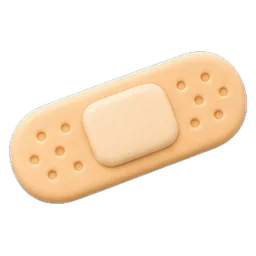
Teddy’s bump
Caring
Teddy falls over. “Ouch! Teddy’s sad.” Ask what would help: a hug, a bandage, a kiss on the knee?
Make it harder: name the feeling: sad, hurt, better.
Ages 2

Banana phone
Talking in turns
Hold a banana to your ear: “Hello? It’s Grandma!” Pass it over and wait. Say hello, ask one thing, say bye-bye.
Make it harder: they call you and start the chat.
Ages 2

Mirror faces
Feeling words
Make a happy face, a sad face and a surprised face in the mirror. Name each one and let them copy you.
Make it harder: they make a face and you guess it.
Ages 2

Toy wash
Steps in order
A bowl of soapy water, a cloth and three plastic toys. Wash, rinse, dry, and say each step as you do it.
Make it harder: ask “What comes next?”
Ages 2

Little helper
Following a direction
Give one small job at a time and say thank you: “Put the spoon on the table.” “Shoes in the basket.”
Make it harder: give two steps: “Get your cup and bring it here.”
Ages 2
What the WHO, the AAP and the CDC say
Screen time for 2-year-olds
The World Health Organization says no more than 1 hour of sedentary screen time a day at age 2, and less is better. The American Academy of Pediatrics and the CDC point the same way, and the AAP adds that what your child watches, and whether you’re with them, matters as much as the minutes.
World Health Organization
No more than 1 hour, and less is better
The WHO’s guidelines for children under 5 say that at age 2, sedentary screen time (watching TV or videos, playing computer games) should be no more than 1 hour a day, and that less is better. For 1-year-olds it recommends none. When a child is sitting still, it encourages reading and storytelling with a caregiver.
American Academy of Pediatrics
Quality and company first, and generally under an hour
The AAP’s guidance, updated in January 2026, asks families to move beyond simple time limits and look at what a child watches, who is with them and what screens crowd out. For this age, its advice to parents says the AAP generally recommends less than one hour a day for toddlers and preschoolers, of high-quality content made for children, and that watching together supports learning.
CDC
No more than 1 hour of quality programming
The CDC’s parenting tips for 2- to 3-year-olds say to limit screen time to no more than 1 hour a day of quality programming, and to keep televisions out of a child’s bedroom.
What the AAP suggests for ages 2 to 4
✓ Choose shows that teach
The AAP names PBS KIDS shows, Sesame Street, Blue’s Clues and Daniel Tiger’s Neighborhood as programs that can teach toddlers facts, healthy behaviors and how to manage feelings.
✓ Turn off autoplay
If your child watches YouTube, make a playlist of good videos and switch autoplay off, so an algorithm doesn’t pick what comes next.
✓ Don’t make it the calm-down tool
Try not to hand over a device every time your child is upset or bored. Keep screens for regular times of day, or a long car, bus or plane ride.
✓ No open access
Avoid leaving a tablet or phone where a toddler can pick it up whenever they like.
✓ Protect play, books and outdoors
Set aside a little time every day to play, read or get outside together. These are what screens can crowd out at this age.
✓ Talk about it
If your child is watching something interesting, talk about it, then do something related to it together.
This is general information, not medical advice. Your child’s doctor can help with a plan that fits your family.
Apps for 2-year-olds
Apps for 2-year-olds: what to look for, and five to try
A 2-year-old doesn’t need an app. If you do use one, keep it inside that daily hour, use it together, and pick it with this list.
Says everything out loud
A 2-year-old can’t read instructions, so every prompt has to be spoken or shown.
One tap does something
Big targets and simple taps. Skip anything that needs careful dragging, timers or fast reactions.
No ads, no in-app purchases
The AAP’s advice for ages 2 to 4 is to avoid apps with in-app purchases. Ads don’t belong where a toddler taps, either.
Short, and it ends
A few minutes with a clear finish, not a feed that keeps going.

Looks like their world
Animals, food, vehicles and faces: things they can go and point to off the screen afterward.

Better with you
At 2, an app works best as something you do together and talk about, like a picture book.
Five apps that list age 2, described from each app’s own store listing and site, checked November 2026. Prices and features change. Cleoland is ours; we’ve tried to be fair about where it fits.
| App | Price | Ages | Best for | What it is |
|---|---|---|---|---|
| Khan Academy Kids | Free | 2–8 | A free place to start | Learning games, books and videos from the nonprofit Khan Academy. No ads or subscriptions. |
| PBS KIDS Games | Free | 2–8 | Characters from the shows | Free learning games from PBS KIDS shows. Games can be downloaded to play offline. |
| Sago Mini World | Subscription | 2–6 | Open-ended pretend play | Gentle play worlds with characters to explore. More about imagination than lessons. |
| Reading Eggs Junior | Subscription | 2–4 | Structured lessons from 2 upward | The youngest part of the Reading Eggs reading program. Reading Eggs itself is for ages 3–7. |
| Cleoland (our app) | 7 days free, then $69.99/yr | 2–8+ | Picture games about what they love | At 2–3 the games are mostly pictures and Cleo says every word. Your child says what they love, and the games, stories and songs are themed on it. No ads. |
For a longer comparison as your child gets older, see preschool learning apps: an honest guide.
Cleoland at 2
Cleo’s games for 2-year-olds
Two-year-olds play at 2–3: the games are mostly pictures, and Cleo says every word. Here are six to start with. Sit with your child for the first rounds.

I Spy
Cleo spies something with a clue: “something that lives in the sea!” Only one thing fits, and she says why.
Ages 2–34 things: sounds, colors, kinds
Paint Mixer
Real color learning with Cleo’s paint pots: the colors of things, what two colors make, tints and shades.
Ages 2–3What color is the banana?
Animal Match
Tap two tiles that go together to clear them, and Cleo says what the pair teaches.
Ages 2–34 pairs of the same animal
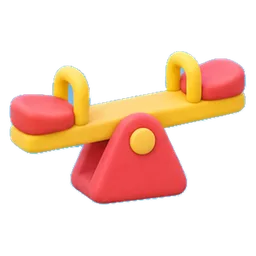
Which Is More?
Tap the side of the seesaw that is more. It tips, both amounts show, and Cleo says the fact.
Ages 2–3Bigger, taller or more legs, in pictures
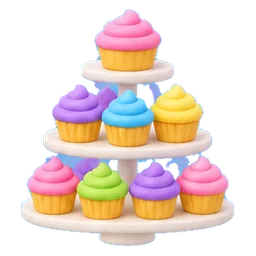
Cake Tower
Build the birthday cake on the star stand, one layer at a time, never a big layer on a small one.
Ages 2–32 layers
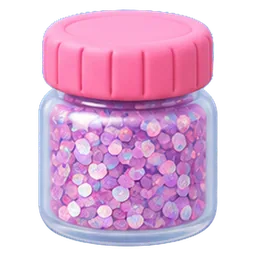
Jar Sort
Move one piece at a time until each jar holds one color, then one kind of thing.
Ages 2–32 colors
Try it with Cleo
“Doggy!” Then the games fill up with dogs.
Your child says what they love, and Cleo themes the picture games on it and makes a story or a song about it. At 2–3 she says every word.

Questions about 2-year-olds
What are good activities for 2-year-olds?+
Short ones that use what they can already do: pointing to things in a book, stacking and knocking down, pouring water, kicking a ball, feeding a teddy and copying you. A few minutes each, several times a day, with you alongside.
What games can you play with toddlers?+
Follow the leader, bubble chase, kick to the wall, sticker spots for body parts, sing-and-stop songs, and pretend games like feeding teddy or talking on a banana phone. Toddler games work best with one simple idea and no winner.
How much screen time should a 2-year-old have?+
The World Health Organization says no more than 1 hour of sedentary screen time a day at age 2, and less is better. The American Academy of Pediatrics generally recommends less than one hour a day for toddlers and preschoolers, and puts high-quality content and watching together ahead of counting minutes.
What are the best apps for 2-year-olds?+
A 2-year-old doesn’t need an app. If you want one, look for spoken instructions, simple taps, no ads and no in-app purchases. Khan Academy Kids and PBS KIDS Games are free and made for ages 2–8; Sago Mini World is a subscription for open-ended play. Cleoland plays picture games at 2–3, with a 7-day free trial.
What should a 2-year-old be learning?+
According to the CDC, by 2 most children say at least two words together, point to things in a book and to at least two body parts, play with more than one toy at a time, run and kick a ball. Play that involves talking, moving and pretending supports all of it. Every child develops at their own pace.
How do I keep a 2-year-old busy at home?+
Rotate between a moving game, a hands game and a quiet one, and let them help with real jobs like sorting laundry or washing plastic toys. Keep each one short, and switch before it stops being fun.
What if my 2-year-old isn’t doing these things yet?+
Milestones are what most children do by an age, and children develop at different paces. If you’re concerned, the CDC recommends talking with your child’s doctor and asking about developmental screening.
Sources
- CDC: Milestones by 2 Years (reviewed May 16, 2026)
- CDC: Positive Parenting Tips, Toddlers (2–3 years old)
- World Health Organization: To grow up healthy, children need to sit less and play more (recommendations at a glance, April 24, 2019)
- World Health Organization: Guidelines on physical activity, sedentary behaviour and sleep for children under 5 years of age (2019)
- American Academy of Pediatrics: Reducing Screen Time for Toddlers (updated February 22, 2026)
- American Academy of Pediatrics: The 5 Cs of Media Use, Toddlers and Preschoolers, 2 to 4 years
- American Academy of Pediatrics: Helping Kids Thrive in a Digital World, AAP Policy Explained (updated June 3, 2026)
- Khan Academy Kids on the App Store
- PBS KIDS Games on the App Store
- Sago Mini World on the App Store
- Other apps: their own sites and store listings, checked November 2026
Keep reading
 Ages 3
Ages
Learning activities for 3-year-olds, and how to choose an app
What most 3-year-olds can do (from the CDC), activities that fit, and what to look for in a learning app at 3.
 Ages 3–4
Games
Games for preschoolers: learning games for ages 3 and 4
Simple games for colors, counting, letters and listening that need nothing but you, plus the games Cleo plays at 2–3.
 Ages 3–5
Apps
Preschool learning apps: an honest guide for parents
What makes a good learning app for ages 3–5, screen-time guidance, and the apps families ask about most.
 Ages 2–6
Learning
Play-based learning for preschoolers: what it is and how to do it at home
What play-based learning means, what the research says, and everyday ways to do it at home with a preschooler.
- Ages 2–8+
Games
I Spy: how to play, and ways to make it a learning game
The rules of I Spy, versions for ages 2 to 8, learning versions for colors, sounds and numbers, and 72 ready-made clues by place.
 Ages 4
Ages
Games for 4-year-olds: what they’re learning and what to play
What most 4-year-olds can do (from the CDC), the games that fit this age, and what to look for in an app.
- Ages 2–8
Screens
Screen time for 2-year-olds, and recommendations by age
What the WHO, the AAP, the CDC and AACAP say about screen time at each age, from under 18 months to 8, and how to make the time count.