

Age 3
Learning activities for 3-year-olds, and how to choose a learning app
At 3, most children hold a short conversation, ask who, what, where and why, draw a circle when shown and join other children to play. The best learning activities for 3-year-olds feed exactly that: talk, count, sort, pretend and move, in short bursts. Here are 24, grouped by what they teach, then what makes a good learning app at 3.
Updated November 2026 · For ages 3 · By the Cleoland team

From the CDC
What most 3-year-olds can do
These are quoted from the CDC’s “Milestones by 3 Years.” Milestones are things most children (75% or more) can do by this age; every child develops at their own pace.

Talking
- “Talks with you in conversation using at least two back-and-forth exchanges”
- “Asks ‘who,’ ‘what,’ ‘where,’ or ‘why’ questions, like ‘Where is mommy/daddy?’”
- “Says what action is happening in a picture or book when asked, like ‘running,’ ‘eating,’ or ‘playing’”
- “Says first name, when asked”
- “Talks well enough for others to understand, most of the time”

Thinking
- “Draws a circle, when you show him how”
- “Avoids touching hot objects, like a stove, when you warn her”
Playing with others
- “Calms down within 10 minutes after you leave her, like at a childcare drop off”
- “Notices other children and joins them to play”
Moving
- “Strings items together, like large beads or macaroni”
- “Puts on some clothes by himself, like loose pants or a jacket”
- “Uses a fork”
If your child isn’t meeting one or more of these, or you have other concerns, the CDC recommends talking with your child’s doctor and asking about developmental screening.
Milestones into activities
Turn each milestone into an activity
Each thing on the CDC’s list is something you can practice by playing. Start with whichever one your 3-year-old is closest to.
| What they’re learning | Activity | How to do it |
|---|---|---|
| Talks with you in conversation using at least two back-and-forth exchanges | Why chain | Answer their “why?” in one short sentence, then ask one back. Aim for two turns each. |
| Says what action is happening in a picture or book | What are they doing? | In a picture book, ask what each character is doing, not what it is: running, eating, hiding. |
| Says first name, when asked | Puppet interview | A sock puppet asks “What’s your name?” Then your child’s puppet interviews you. |
| Draws a circle, when you show him how | Circle maker | Draw a slow circle while they watch, then they try. Turn the circles into suns, wheels and faces. |
| Strings items together, like large beads or macaroni | Pasta necklace | Thread large tube pasta onto a shoelace and count the pieces as they go on. |
| Puts on some clothes by himself | Dress-up race | Lay out a loose jacket, a hat and boots. Ready, go: who is dressed for the “snow” first? |
| Notices other children and joins them to play | Bus driver | Line up chairs with a sibling or a friend: one drives, the others ride, then swap. |
| Calms down within 10 minutes after you leave her | Bye and back | Play drop-off with toys: Little Bear waves goodbye, plays, and Big Bear always comes back. |
Learning activities for 3-year-olds
Talking activities for 3-year-olds
Why chain
Conversation
When they ask “why?”, answer in one short sentence, then ask one back: “Why do you think the bird flew away?” Aim for two turns each.
Make it harder: keep one topic going for four turns.
Ages 3

What are they doing?
Action words
In a picture book, ask what each character is doing instead of what it is: running, eating, hiding, sleeping.
Make it harder: ask “What will she do next?”
Ages 3
Puppet interview
Answering questions
A sock on your hand asks: “What’s your name? What did you eat today?” Then your child’s hand is the puppet and interviews you.
Make it harder: the puppet asks a “where” and a “who” question.
Ages 3
Silly mistakes
Listening
Say something wrong on purpose: “Time to put your shoes on your ears!” Wait for them to catch it and tell you the right way.
Make it harder: make the mistake smaller: “The cow says quack.”
Ages 3
Learning activities for 3-year-olds
Counting activities for 3-year-olds
One for you, one for me
Counting out
Deal out crackers one at a time: “One for you, one for me.” Stop at three each, then count both piles, touching each cracker.
Make it harder: go to five each.
Ages 3
Table setter
One for each
How many people are eating? Your child puts one fork by each plate, then one cup by each fork.
Make it harder: ask how many forks there are altogether.
Ages 3
Finger jumps
Numbers to five
Hold up one to five fingers. They show the same number on their own hand, then jump that many times while you both count.
Make it harder: show your fingers for one second only.
Ages 3
Car park
How many now?
Draw five parking spaces on paper and park a toy car in each, counting as you go. “Two cars drive away. How many now?”
Make it harder: write a number in each space and park by number.
Ages 3
Learning activities for 3-year-olds
Color and shape activities
Color of the day
Color names
Pick one color at breakfast. All day, whoever spots it calls it out: a yellow bus, a yellow banana, yellow socks.
Make it harder: pick two colors and keep a tally.
Ages 3

Circle maker
Drawing shapes
Draw a big, slow circle while they watch, then they try. Turn the circles into things: a sun, a wheel, a face, a pizza.
Make it harder: try a cross, then a square.
Ages 3
Tape shapes
Shape names
Make a big square, triangle and circle on the floor with painter’s tape. “Jump in the square! Sit in the triangle!”
Make it harder: they give you the orders.
Ages 3
Tidy by color
Sorting
At tidy-up time, sort the blocks into color piles before they go in the box. Start with just two colors.
Make it harder: sort by size instead: big ones, small ones.
Ages 3
Learning activities for 3-year-olds
Activities for hands and fingers
Pasta necklace
Threading
Wrap tape around one end of a shoelace and thread on large tube pasta. Count the pieces as they go on, and stay close while they work.
Make it harder: make a pattern with two pasta shapes.
Ages 3
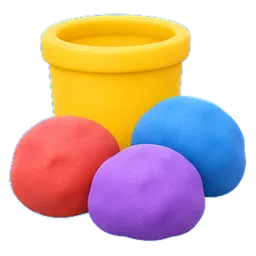
Play-dough bakery
Hand strength
Roll snakes, pinch off little “cookies,” flatten pancakes and cut them with a plastic knife.
Make it harder: roll three balls: small, medium and big.
Ages 3
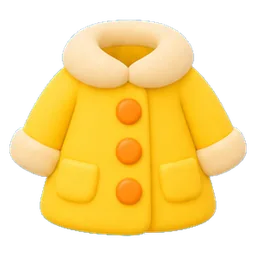
Dress-up race
Dressing
Lay out a loose jacket, a hat and boots. Ready, go: who is dressed for the “snow” first? Let them win, slowly.
Make it harder: start a zipper and let them finish it.
Ages 3
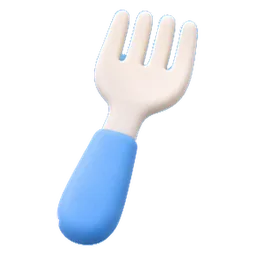
Fork pick-up
Using a fork
At snack time, cut soft fruit or cooked pasta into pieces to spear with a fork, one at a time. Name each one before it is eaten.
Make it harder: they serve a piece onto your plate too.
Ages 3
Learning activities for 3-year-olds
Pretend play that teaches
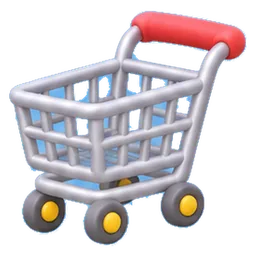
Shop
Asking and counting
Line up cans and fruit on a chair. One of you is the shopkeeper, one the customer: “Two apples, please.” Then swap.
Make it harder: pay with one playing card for each thing.
Ages 3
Restaurant
Conversation
Your child takes your order, “cooks” it and brings it over. Ask customer questions: “Is the soup hot? What’s for dessert?”
Make it harder: order two things and see if both arrive.
Ages 3
Bus driver
Playing with others
Line up chairs. One child drives, and you, a friend or the toys ride. “Where are we going? Who gets off next?” Then swap.
Make it harder: the driver names each stop.
Ages 3
Bye and back
Feelings
Play drop-off with toys: Little Bear waves goodbye, plays with friends, and Big Bear always comes back. Let your child be Big Bear.
Make it harder: ask how Little Bear feels at each part.
Ages 3
Learning activities for 3-year-olds
Moving activities for 3-year-olds
Obstacle path
Whole-body control
Crawl under a chair, step over a broom, walk along a tape line, jump off a cushion. Do it together, then let them change one part.
Make it harder: do it carrying a soft toy.
Ages 3
Balloon up
Eyes and hands
Keep a balloon off the floor and count the taps out loud. Put the balloon away afterward, and throw out any popped pieces right away.
Make it harder: tap with one hand only.
Ages 3

Mail delivery
Following directions
Hand out “letters” (old envelopes) to deliver: “This one goes to the bathroom door. Tiptoe there!”
Make it harder: give two deliveries at once.
Ages 3

Jump the river
Jumping
Lay two scarves on the floor as a river and jump across. Move them a little wider apart each time.
Make it harder: jump it sideways.
Ages 3
Learning apps for 3-year-olds
Good learning apps for 3-year-olds, and what to look for
A good learning app for a 3-year-old talks to them, does one thing at a time, has no ads, and gives you something to talk about afterward. It adds to play; it doesn’t replace it.
Speaks every instruction
Three-year-olds can’t read directions, so the app has to say them.
Asks, then waits
At 3, children are just getting going with back-and-forth talk. A good app asks a question and gives them time to answer.

One idea at a time
Sorting or counting or matching, not all three on one busy screen.
Counts small
Up to three or five things your child can touch one by one, before any written numbers.

No ads, no in-app purchases
The AAP’s advice for ages 2 to 4 is to avoid apps with in-app purchases or aggressive content.

Leaves you something to talk about
The learning sticks when you ask about it afterward, or act it out with real toys.
How long? The World Health Organization says no more than 1 hour of sedentary screen time a day for 3- and 4-year-olds, and less is better. The American Academy of Pediatrics generally recommends less than one hour a day for toddlers and preschoolers, of high-quality content. Its guidance, updated in 2026, asks families to move beyond simple time limits: choose well, play alongside your child, and keep screens to regular times of day.
Seven apps families ask about at this age, described from each app’s own store listing and site, checked November 2026. Prices and features change. Cleoland is ours; we’ve tried to be fair about where it fits.
| App | Price | Ages | Best for | What it is |
|---|---|---|---|---|
| Khan Academy Kids | Free | 2–8 | A free all-round start | Learning games, books and videos on early reading, math and social-emotional skills, from the nonprofit Khan Academy. No ads or subscriptions. |
| PBS KIDS Games | Free | 2–8 | Games with favorite characters | Free learning games from PBS KIDS shows, on science, math, reading and more. Games can be downloaded to play offline. |
| Duolingo ABC | Free | Preschool to 2nd grade | Free letters and sounds | Short lessons on the alphabet, phonics and sight words from Duolingo. Its listing says there are no ads or in-app purchases. |
| Lingokids | Subscription; small free tier | 2–8 | Lots of activities and songs | Games, songs and videos across English, math, science and life skills. A few activities free each day. |
| Homer | Subscription, free trial | 2–8 | A personalized learning path | A learning path built around your child’s age and interests, with a focus on early reading. |
| Sago Mini World | Subscription | 2–6 | Open-ended pretend play | Gentle play worlds with characters to explore. More about imagination than lessons. |
| Cleoland (our app) | 7 days free, then $69.99/yr | 2–8+ | Learning made from their ideas | Your child says what they love; Cleo makes stories, songs and lessons about it and themes the games on it. At 2–3 the games are mostly pictures and Cleo says every word. No ads. |
For more on choosing, see preschool learning apps: an honest guide. Mainly after letters and sounds? See reading apps for kids, by reading stage.
Cleoland at 3
Cleo’s games for 3-year-olds
Three-year-olds play at 2–3: the games are mostly pictures, and Cleo says every word. About half the rounds are about what your child loves.
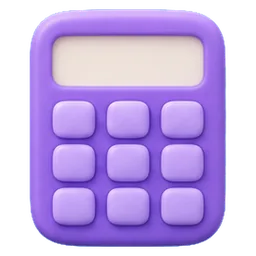
Broken Calculator
Some keys are broken. Make the number another way, then press = to check.
Ages 2–3Count 1 to 5 things

Order It
Put the cards in order, hottest to coldest or biggest to smallest. A wrong place bounces back and Cleo asks a question that helps.
Ages 2–33 things of very different sizes
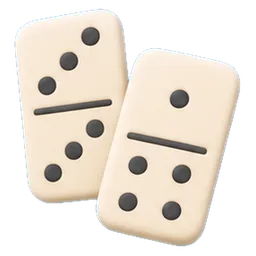
Word Dominoes
Join the halves so each pair makes one word: sun + flower, snow + man.
Ages 2–3Pick a word’s other half, in pictures
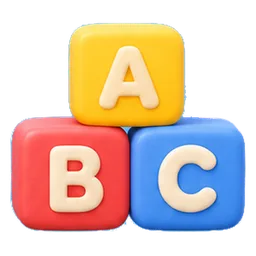
Letter Blocks
Unscramble the letter blocks to spell the word. Cleo gives the clue: “Five letters. A fruit.”
Ages 2–3Find the first letter, from 2 blocks
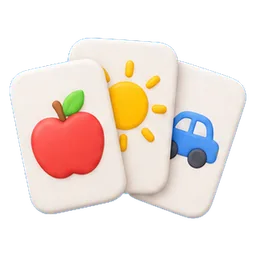
Spanish Pairs
Match each thing to its Spanish word, and Cleo says it in a Spanish voice. (In Cleo’s other languages it teaches English.)
Ages 2–33 pairs: a picture and its word

Suns & Clouds
Finish the pattern; from 6, fill a grid of suns and clouds with no three the same in a row.
Ages 2–3Finish a sun, cloud pattern
Paint Mixer
Real color learning with Cleo’s paint pots: the colors of things, what two colors make, tints and shades.
Ages 2–3What color is the banana?
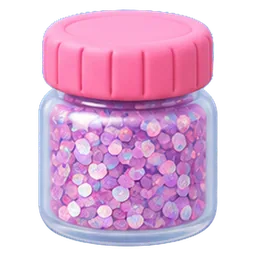
Jar Sort
Move one piece at a time until each jar holds one color, then one kind of thing.
Ages 2–32 colors
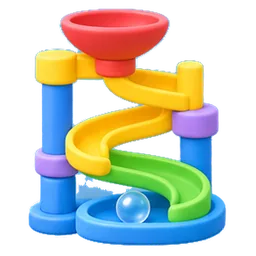
Marble Run
Turn the track tiles so it rolls home: the egg to its nest, the ball to the goal.
Ages 2–32 tiles to turn
When your child turns 4, change the age in Settings and every game moves up to 4–5.

 Try it with Cleo
Three-year-olds have a favorite thing. Cleo starts there.
Your child says “dinosaurs” or “fire trucks,” and Cleo makes a story or a song about it and themes the picture games on it.

Questions about 3-year-olds
What are good learning activities for 3-year-olds?+
Ones that get them talking, counting small groups, sorting, using their hands, pretending and moving: asking what characters are doing in a book, dealing out snacks one by one, sorting blocks by color, threading large pasta, playing shop and running an obstacle path. Ten minutes at a time is plenty.
What should a 3-year-old be learning?+
According to the CDC, by 3 most children hold a short back-and-forth conversation, ask who, what, where and why questions, say their first name, draw a circle when shown, join other children to play, string large beads and use a fork. Every child develops at their own pace.
What are the best learning apps for 3-year-olds?+
It depends on what you want. Khan Academy Kids and PBS KIDS Games are free and made for ages 2–8; Duolingo ABC is free for letters and sounds; Lingokids and Homer are subscriptions with a lot of structured content; Sago Mini World is for open-ended play. Cleoland makes games, stories and songs from your child’s own ideas, with a 7-day free trial.
Are educational apps good for 3-year-olds?+
They can be, in small amounts and ideally with you alongside. Look for spoken instructions, one idea at a time, no ads and no in-app purchases, and talk about what your child did afterward.
How much screen time should a 3-year-old have?+
The World Health Organization says no more than 1 hour of sedentary screen time a day for 3- and 4-year-olds, and less is better. The American Academy of Pediatrics generally recommends less than one hour a day for toddlers and preschoolers, of high-quality content.
Should a 3-year-old know letters and numbers?+
Not yet, going by the CDC’s milestone lists. Counting to 10, naming some numbers between 1 and 5 and naming some letters are on its list for 5-year-olds, and naming a few colors is on its list for 4-year-olds. At 3, songs, counting out loud and spotting the first letter of their name are playful ways to begin.
What if my 3-year-old isn’t doing these things yet?+
Milestones are what most children do by an age, and children develop at different paces. If you’re concerned, the CDC recommends talking with your child’s doctor and asking about developmental screening.
Sources
- CDC: Milestones by 3 Years (reviewed May 16, 2026)
- CDC: Milestones by 4 Years (reviewed May 16, 2026)
- CDC: Milestones by 5 Years (reviewed May 16, 2026)
- World Health Organization: To grow up healthy, children need to sit less and play more (recommendations at a glance, April 24, 2019)
- World Health Organization: Guidelines on physical activity, sedentary behaviour and sleep for children under 5 years of age (2019)
- American Academy of Pediatrics: Reducing Screen Time for Toddlers (updated February 22, 2026)
- American Academy of Pediatrics: The 5 Cs of Media Use, Toddlers and Preschoolers, 2 to 4 years
- American Academy of Pediatrics: Helping Kids Thrive in a Digital World, AAP Policy Explained (updated June 3, 2026)
- Khan Academy Kids on the App Store
- PBS KIDS Games on the App Store
- Duolingo ABC on the App Store
- Other apps: their own sites and store listings, checked November 2026
Keep reading

 Ages 4
Ages
Games for 4-year-olds: what they’re learning and what to play
What most 4-year-olds can do (from the CDC), the games that fit this age, and what to look for in an app.
 Ages 2
Ages
Activities and games for 2-year-olds: what they’re learning and what to play
What most 2-year-olds can do (from the CDC), simple games and activities, screen time at 2, and choosing a first app.
- Ages 3–4
Games
Games for preschoolers: learning games for ages 3 and 4
Simple games for colors, counting, letters and listening that need nothing but you, plus the games Cleo plays at 2–3.
 Ages 3–5
Apps
Preschool learning apps: an honest guide for parents
What makes a good learning app for ages 3–5, screen-time guidance, and the apps families ask about most.
 Ages 3–5
Math
Counting, shape, pattern and sorting activities for preschoolers
No-prep counting, sorting, pattern and shape activities for ages 3 to 5, with a color sorting game and a more or less game.
 Ages 3–5
Learning
Preschool at home: a simple, playful daily rhythm
What to cover in preschool at home, a daily rhythm that works, and activities that need almost no prep.